
From Community Attendee to Double Google Developer Expert (^GDE)
This article chronicles my journey from starting as a community attendee in my early days as a developer to now being recognized as a community organizer and technical expert in three Google for Developers programs:
- ML GDE
- Cloud GDE
- GDG Golang Korea
I'm writing this to motivate junior developers and newcomers who are just starting to get interested in communities, and to shed some light on the path ahead, offering a sense of confidence based on my own experiences.
Getting Started
This is just one person's story, and it's not meant to be a one-size-fits-all guide. I support each of you in your unique efforts and journeys.
This article covers my journey from the age of 20, when I started my career right after high school, through my mid-20s, when I balanced work and studies, to now, at 29, on the cusp of my 30s.
How I Saw Communities as a Newcomer
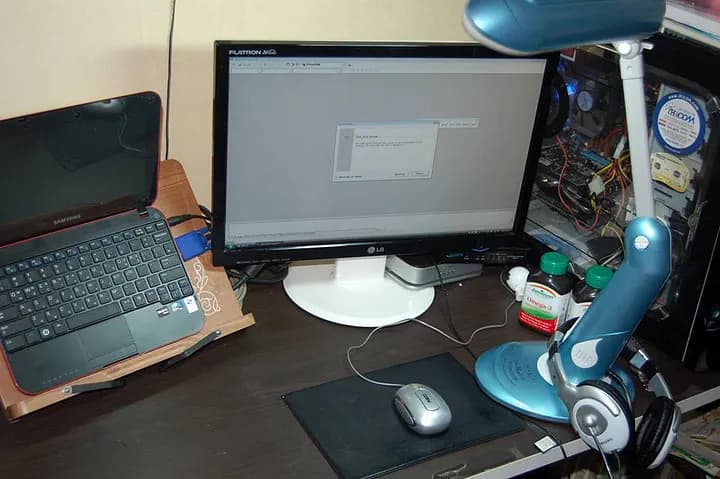
I started coding as an elementary school student. I spent my teenage years learning to code alongside communities, starting with a "Let's Learn C" community and answering C and development questions on "Naver Knowledge iN" as a hobby.
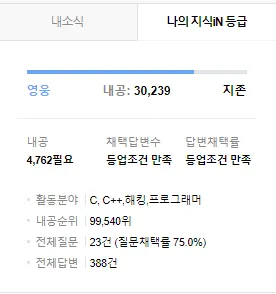
During this time, the development community was a playground for me to take on various challenges and experiments, a school, and a place for exchanging experiences with new people.
Having been active in communities for a long time since I was young, I received a lot of help. Now, I feel a sense of duty and responsibility to give back to society and the community, and this has become my reason for continuing my community activities.

Due to my family's financial situation, I started working right after high school. I began at a small company, handling both backend and frontend tasks, and I dreamt of more while studying development and academics at home after work.
Thinking back on what dreams I chased so diligently, I suppose I wanted recognition. I hoped that the development I loved and the products I created would be used and liked by many people. But through my early career, I vaguely felt that it wouldn't be easy to reach that goal just by working hard.
So, to channel the overwhelming ambition of my early 20s, I attended various communities to gain insights and experiences from other developers, continuing my own growth equation that I had followed for a long time.
As I attended more communities, I thought, "Should I try giving a talk?" In 2016, I gave my first presentation at an event with over 100 attendees. That was the beginning.
My First Big Conference Talk: XECon 2016
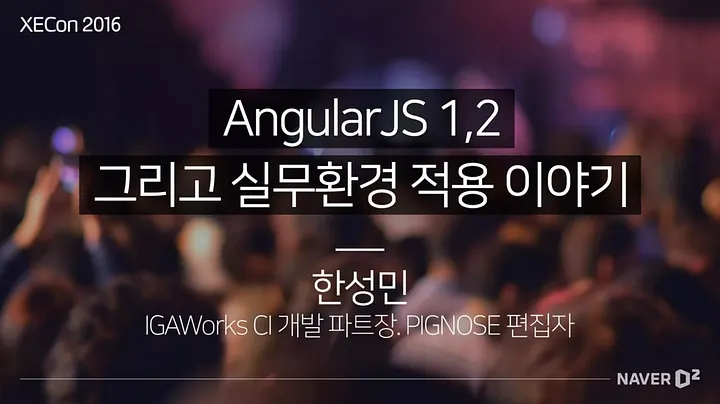
While handling various backend and frontend tasks at my company, my first presentation was on a frontend topic. (Even now, some people mistake me for a frontend developer because of this.)
AngularJS 2, version 1 and ReactJS
After the presentation, the community organizers took great care of me and gave me lots of swag. Feeling the warmth of the community and the confidence they instilled in me as a speaker, I was able to gradually find my place in the community. (I still have the t-shirt I received back then; it was made of excellent material.)
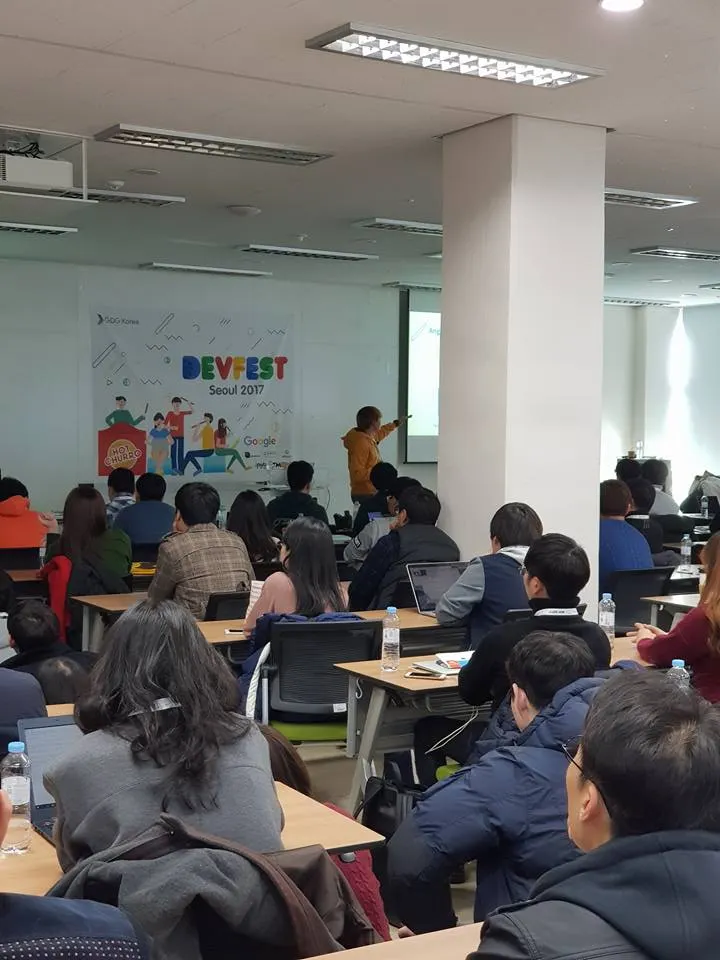
After that, in 2017, I spoke at GDG DevFest Seoul 2017, where I first got to know the members of the Google for Developers community. It was my first time at a federated community with so many chapters, and I felt a bit awkward because it seemed like everyone knew each other except me (my misconception at the time). But since DevFest has a developer festival vibe where everyone enjoys coding and having fun, I was able to adapt quickly. (I still strive to create this kind of community atmosphere, as I loved the vibe of that event.)
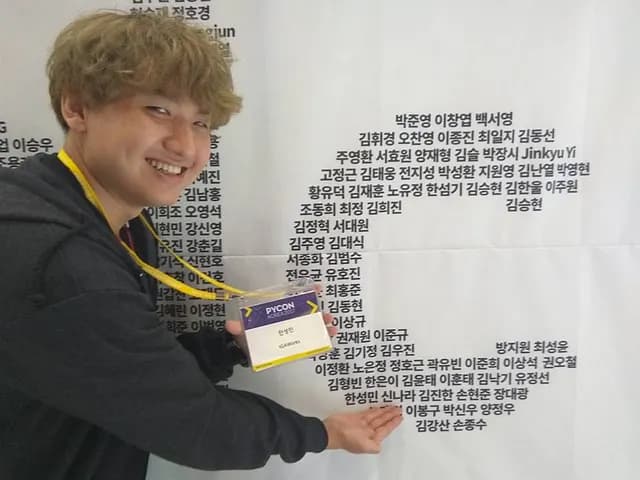
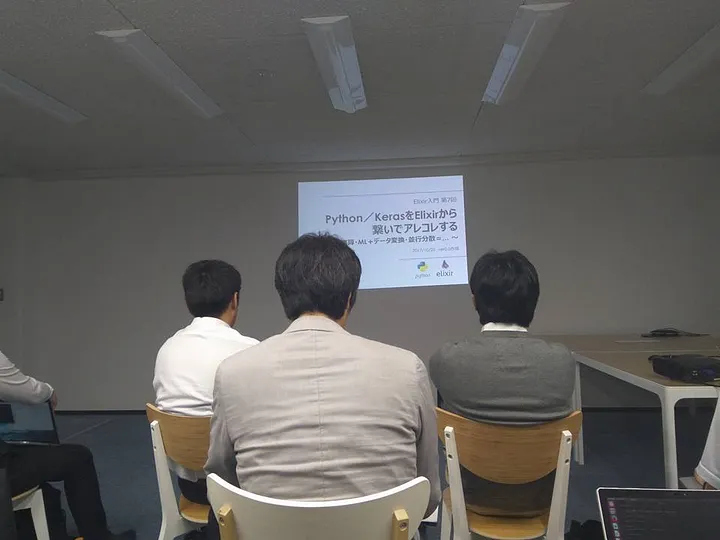
As they say, humans are creatures of adaptation. After giving two presentations, the rest became relatively easy. I've participated in many events since 2017, and looking at the photos, it's amazing to see how many I've been a part of.
Getting to Know Google Developer Groups in 2019
After participating as both an attendee and speaker at events like PyCon Korea, GDG events, Data YaNolja, and Deview, I had the opportunity to attend Google I/O 2019 with support from my company at the time, Naver.
Google I/O is an annual global developer conference held near Google's headquarters in Mountain View, California, and it's a massive event. It's broadcast online as well, so if you haven't heard of it, I recommend searching for it and tuning into the next one.

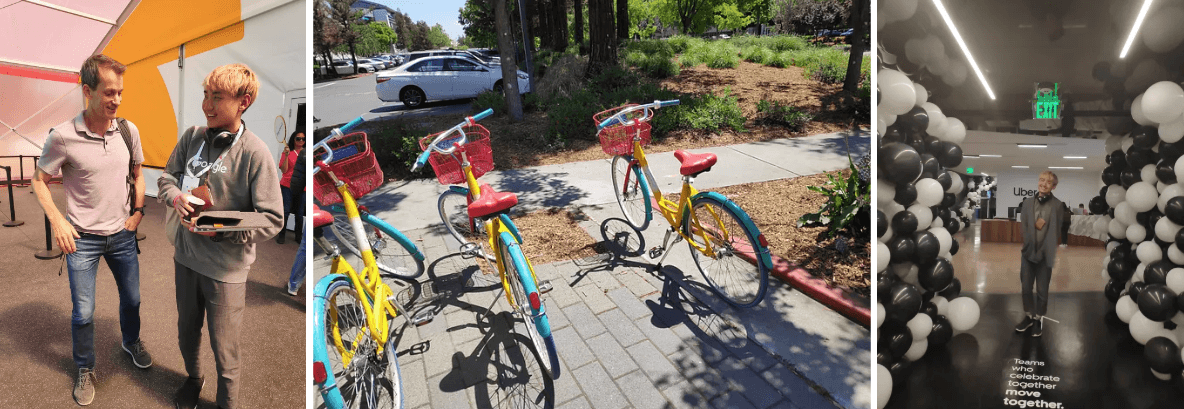
Since I had already gotten to know the community organizers from various GDG events, I was able to join them for networking and parties, even though I wasn't attending Google I/O as a GDG organizer. This helped me gain a deeper understanding of the Google for Developers community ecosystem, and from then on, I became more interested in the GDG program.
The GDG program, short for Google Developer Groups, is a program that supports local community chapters to help them thrive, discuss, and share new technologies. GDGGoogle Developer Groups has regional chapters like Seoul, Daegu, and Busan, as well as topic-based chapters for Android, Cloud, and Golang, each with its own set of organizers.
GDG primarily focuses on community building, with a strong emphasis on creating and sustaining a community that all members can contribute to.
Becoming a GDG Organizer in 2021

I was a developer who loved the Go programming language, created by Google. I liked it so much that I wrote a telephony network in Go at Naver, baked Go-themed cookies when visiting Karrot, and always attended Go-related events.
Blog posts about the telephony service I built:
Naturally, I also presented at GDG Golang Korea, and the video above is from my 2019 talk. Through these activities, I got to know the GDG Golang Korea organizers and became a part of the community. Then, something unexpected happened.
My manager at the time, knowing my interest in the community, recommended me for the GDE program. A Googler suggested I start with GDG first, so I requested a meeting with the GDG Golang Korea organizers and expressed my interest in joining them.
And so...
The GDG Golang Korea organizers, already familiar with my activities, welcomed me without much fuss, and I began my journey as an organizer in the new year of 2021.
In this process, I moved from being a speaker to an organizer, gaining a deeper understanding of the community. I took the lead in proposing and running various activities to expand our domestic communication channels and volume. I might have started too many things at once, for which I feel sorry to the other organizers, but I was always thinking about what else we could do. (My apologies to the organizers who must have been quite surprised back then.)
GDG/GDE Summit 2022 and a New ML GDE Proposal
After about a year of being active in GDG Golang Korea, I was invited to the GDG/GDE Summit 2022, an annual event where GDG/GDE members gather to network and discuss community matters. The event was held at the Google for Startups Campus, just a five-minute walk from my office at Parnas Tower, so I attended.
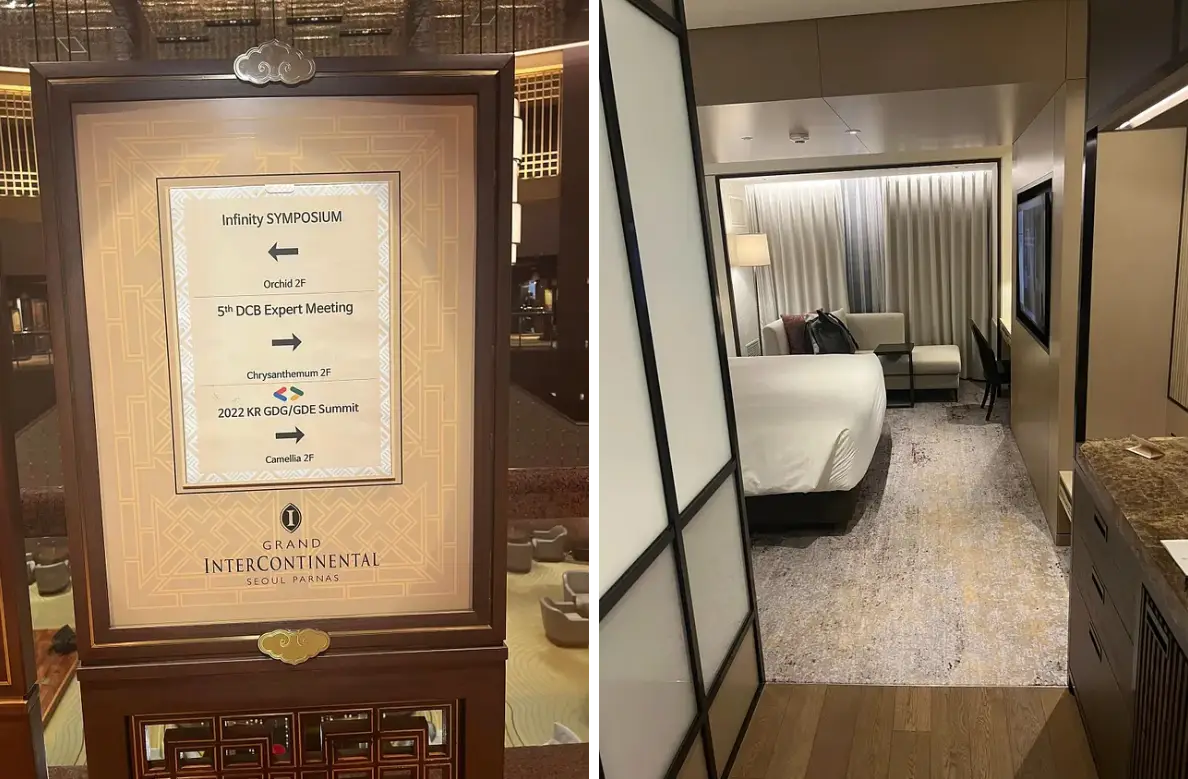
During the summit, Googlers and GDG/GDE members participated in activities, attended various community sessions, and even had team competitions. It was fun that Google staff were part of the whole process.
Although I was part of GDG Golang Korea, my work was in MLOps, so I was passionately discussing various ecosystems and experiences related to it. A Googler, Heejung, who was observing this, proposed that I become an ML GDE.
GDE stands for Google Developer Experts. Unlike GDG, GDEsGoogle Developer Experts are individual community experts who travel across regional or global chapters to spread and share their technical expertise. There are currently 11 GDEs in Korea. Becoming a GDE isn't something you can just apply for; it requires a recommendation from a Googler or another GDE.
As a community participant, I was very interested in the GDE program, but I thought it would be difficult since I was already a GDG Golang Korea organizer. However, they were considerate enough to allow me to be both an ML GDE and a GDG Golang Korea organizer, so I proceeded with the ML GDE process.
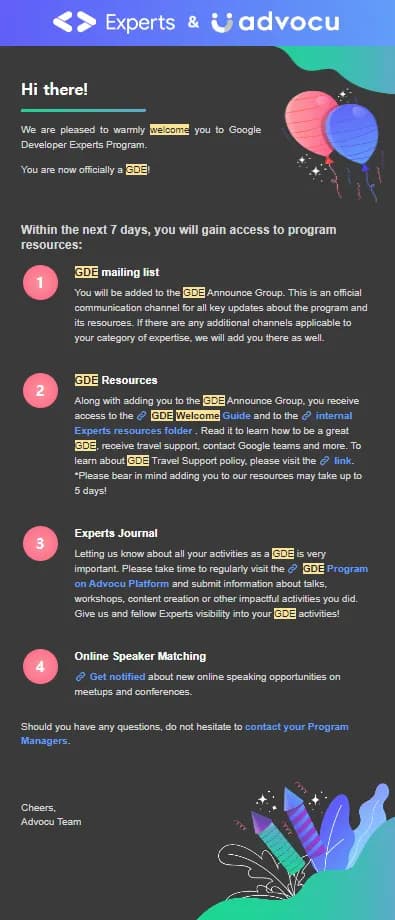
The process consists of five stages:
- Eligibility Check
- Community Interview
- Product Interview
- Legal approval, including signing the T&C
- Onboarding
The key stages are 1 to 3. Apart from the document screening in stage 1, you go through two interviews with people.
One interview is with another GDE, focusing on community and ecosystem perspectives. The other is a more technical conversation with a Googler. The interviews are conducted in English via Google Meet, scheduled at each stage.
I can't share the specific details of the interviews, but I can advise that it's better to approach them with a mindset of contributing to the community and ecosystem rather than for personal gain. If you don't genuinely love community activities, it will be hard to sustain your role as a GDE. (I'll elaborate on why in the "Looking Back" section.)
I remember talking to someone working in Germany during my interview. The process was very warm and positive. I love talking, so I lost track of time, and the interviewer ended on a high note, saying it was a very enjoyable conversation and that they'd love to work with me in the future.
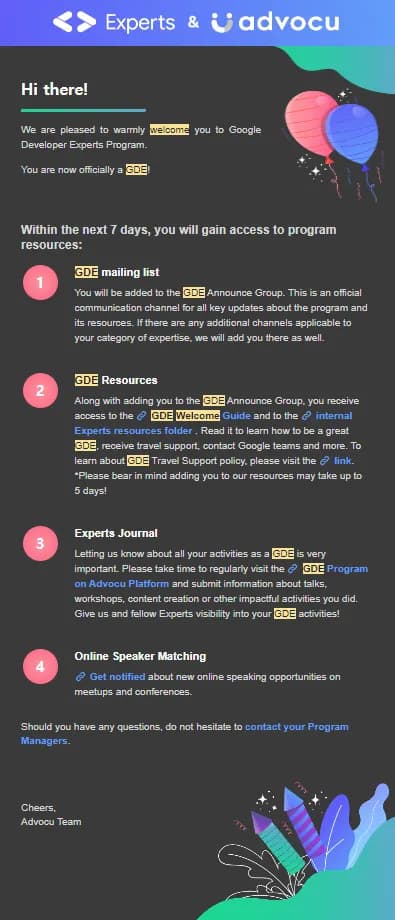
The entire interview process took over a month. It usually takes about one to two months to schedule everything and wait for the evaluation results.
GDEs receive slightly different benefits compared to GDGs:
- Support for overseas conferences (e.g., Google I/O or Google ML events, depending on the year).
- The ability to discuss more confidential technical details with Googlers (think of it as getting early access to technology under an NDA).
- Travel support for overseas presentations.
- Google Cloud Credits as needed.
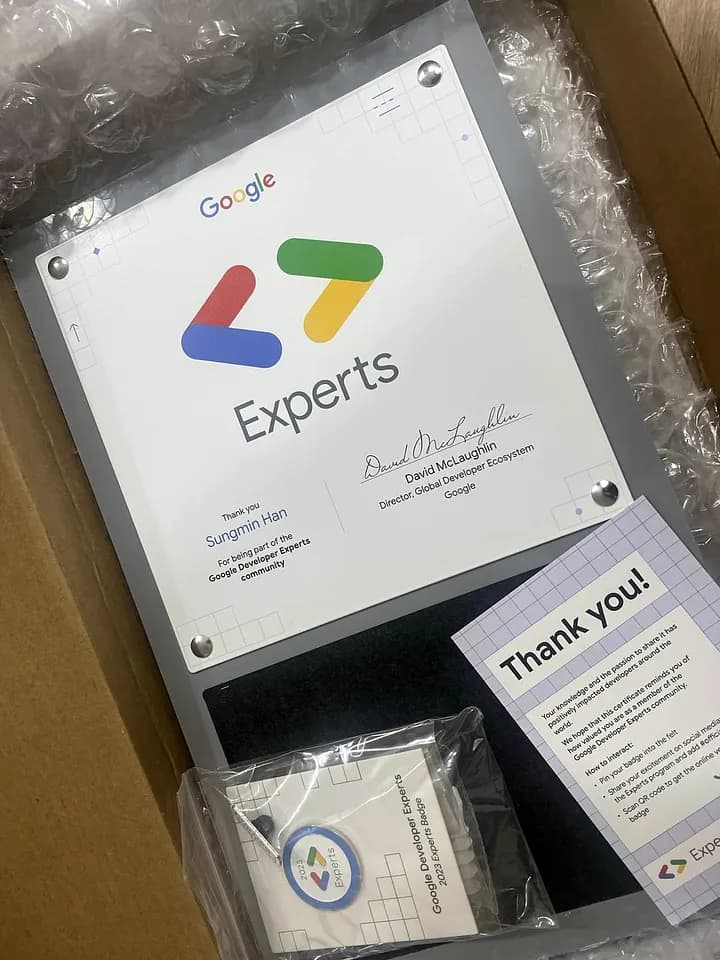
The purposes of GDG and GDE are quite different.
A GDE, unlike a GDG organizer, acts as an individual expert in a specific technology directory. They are active as speakers at events, write technical blog posts for Google, submit complex projects, and engage in mentoring and workshop activities, reporting their activities monthly on a platform called Advocu.
A GDG organizer, on the other hand, focuses more on the growth of the community chapter and group activities rather than highlighting individual achievements. While they do present, their main role is to create and run events and foster the community.
Another Proposal for Cloud GDE during PyCon 2023
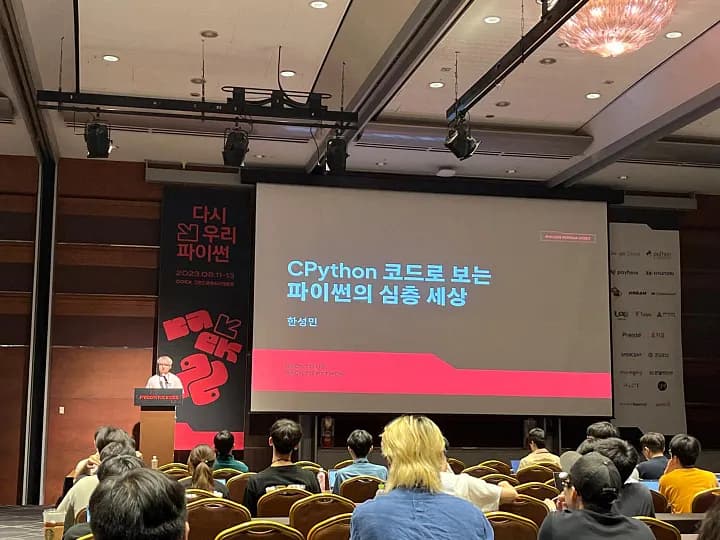
While active as an ML GDE, I gave a presentation at PyCon Korea 2023. Afterwards, as is common for long-time community members, I went around to all the booths to say hello and catch up with people I knew.
My mentee was also presenting that day, so I took them around to introduce them to people, explaining how making connections can lead to new opportunities. I remember heading to the Google Cloud booth.
By chance, I met Elina Ju, a Marketing Manager at Google Cloud, and after a long conversation, she proposed that I become a Cloud GDE. I joked with my mentee, "Who knows, you might become a Cloud GDE like this someday," and we wrapped up the event.
Right after that, she connected with a Google DevRel Manager and put me through the recommendation process. I can't explain the whole process, but they mainly asked for documents to see if I met the qualifications for a Cloud GDE. Since I had been involved in MLOps and had a history of community activities related to the Cloud, I submitted a document detailing my experience, and the process began.
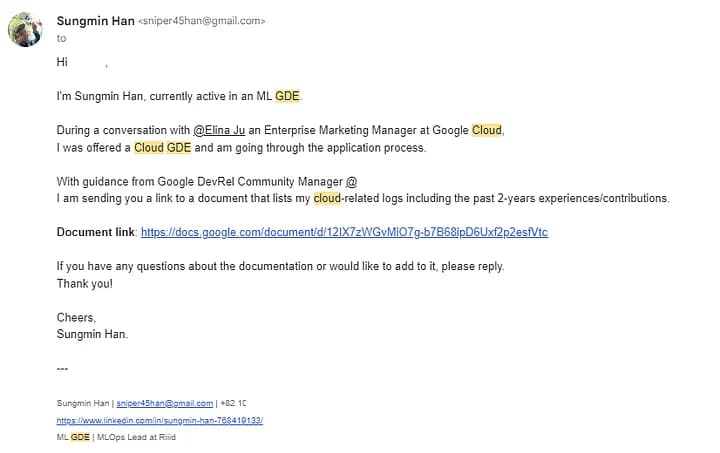
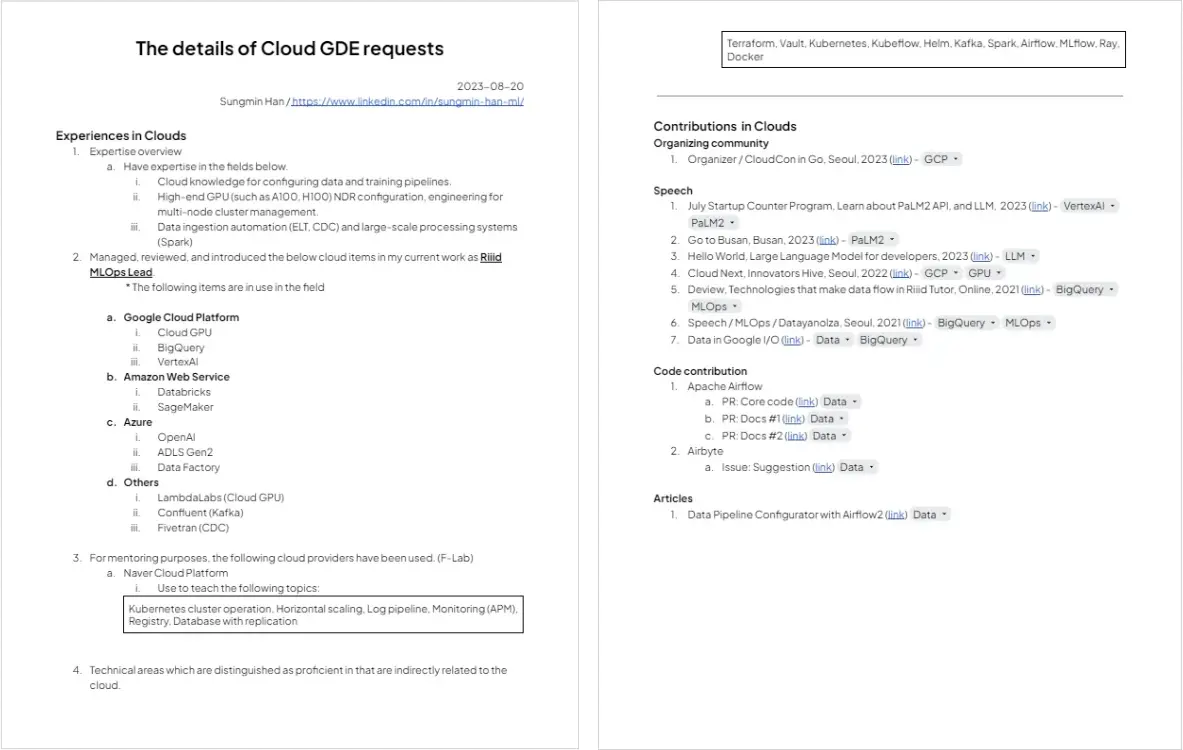
Since I was already an ML GDE, the process for becoming a Cloud GDE was somewhat expedited. However, an interview was still required. I had an interview in English with a Googler based in Japan.
They wanted to know what impact I expected to have on the ecosystem by also being a Cloud GDE, what new Google Cloud technologies I was interested in, and my thoughts on their areas for improvement and aspects that should be continued. I had a chance to explain this by linking it to the specifics of the domestic community and trends in Machine Learning, not forgetting to go into technical detail where necessary.
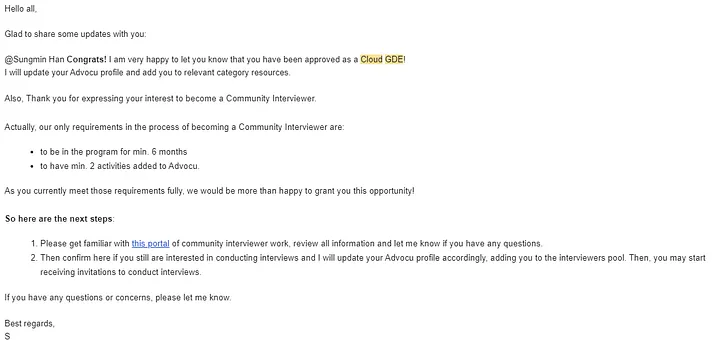
This process also took about two months, and I was finally selected as a Cloud GDE.
Looking Back
In the end, I became a GDG Golang Korea organizer in 2021, an ML GDE in 2022, and a Cloud GDE in 2023. Looking back, this wasn't something I planned from the start, but rather the result of taking on challenges within the community.
This journey wasn't something I could have pushed through on my own ambition. It was possible because of the help and recommendations from those around me, which feels very much in the spirit of community. That's why it's difficult to sustain these activities if you're only motivated by personal gain or career advancement.
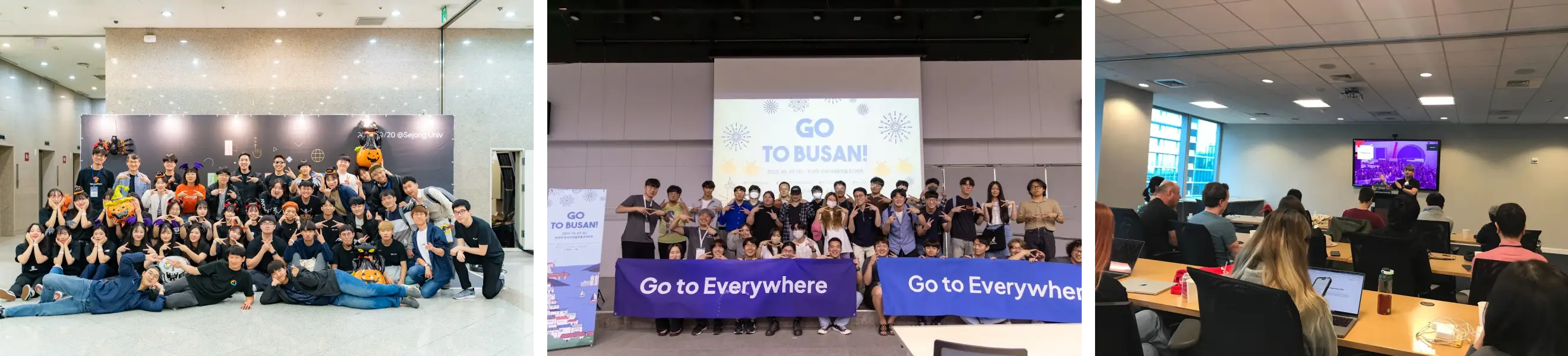
Communities generally have a benevolent purpose.
They desire growth, have an energy for progress, and require communication. If you are someone who enjoys this process and dreams of growing within it, I recommend you try community activities like GDG and GDE.
Learn more about the GDE program
Google Developer Experts - Google for Developers
Learn more about the GDG program
Recommended Articles
Antigravity Agent Architecture and Evaluation Loop Design
An Antigravity agent architecture that separates evaluation evidence, local revision, validation, and save authority.
Discrete Language Diffusion: Global Refinement on JAX/TPU
A deep dive into implementing Discrete Masked Language Diffusion using JAX and Flax NNX. We explore transition schedules, bidirectional architectures, and performance optimization for TPU v6e.